
Background
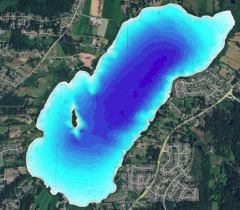
Quamichan Lake is North Cowichan's largest lake, with a surface area of over 300 hectares and a maximum depth of 8.3 m. The area hosts a wide range of activities with rowing laneways, fishing, kayaking, bird watching, playgrounds, and is a training facility for Rowing Canada Aviron.
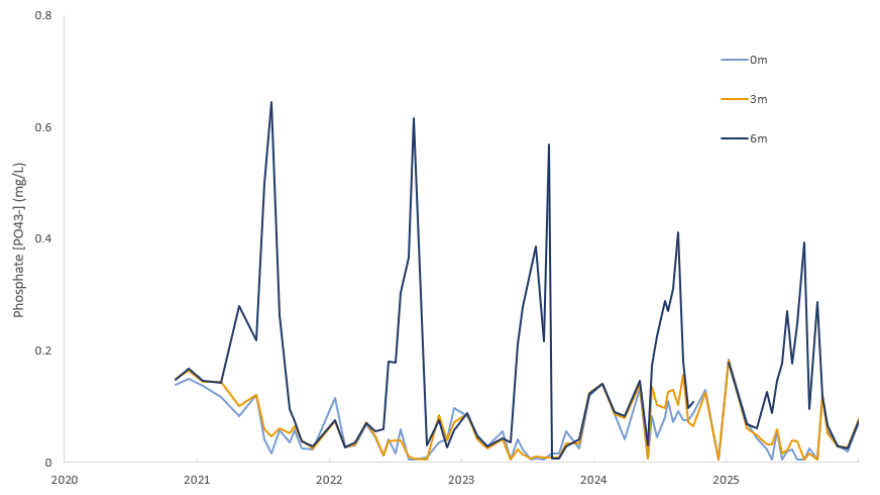
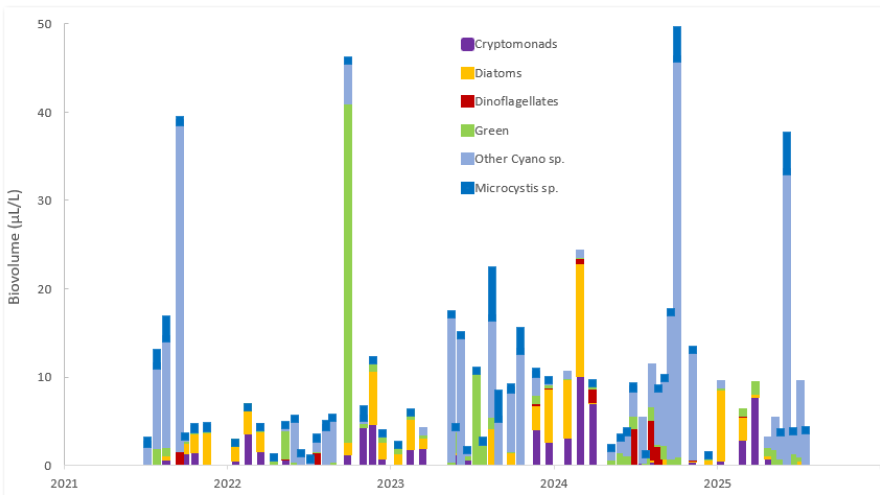
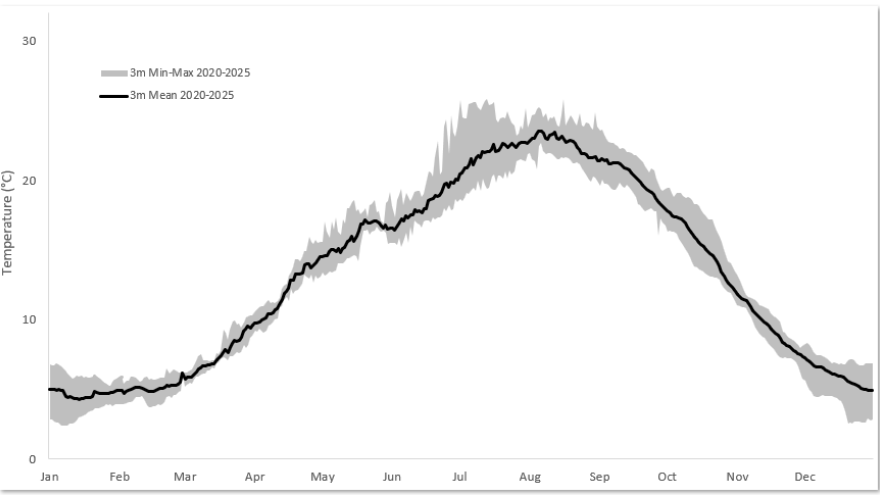
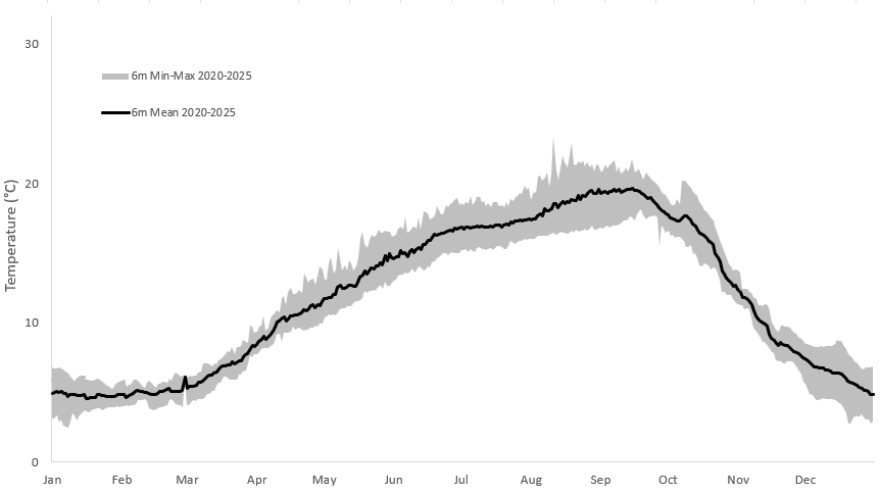
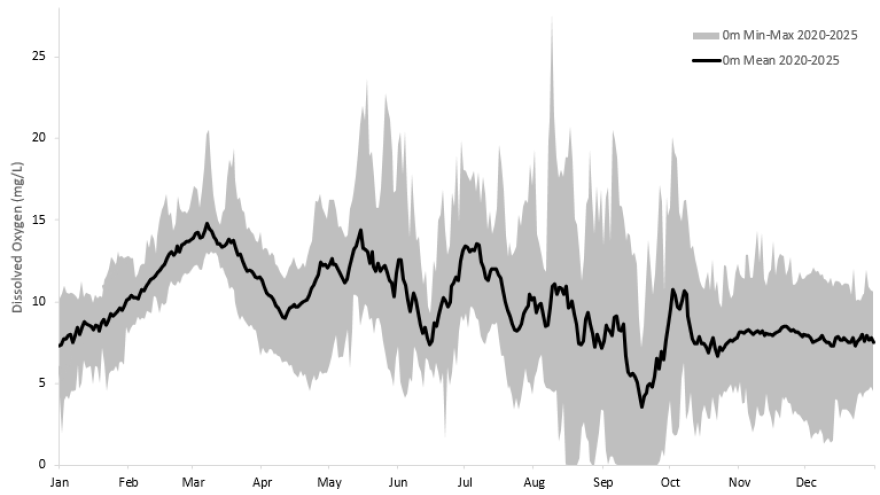
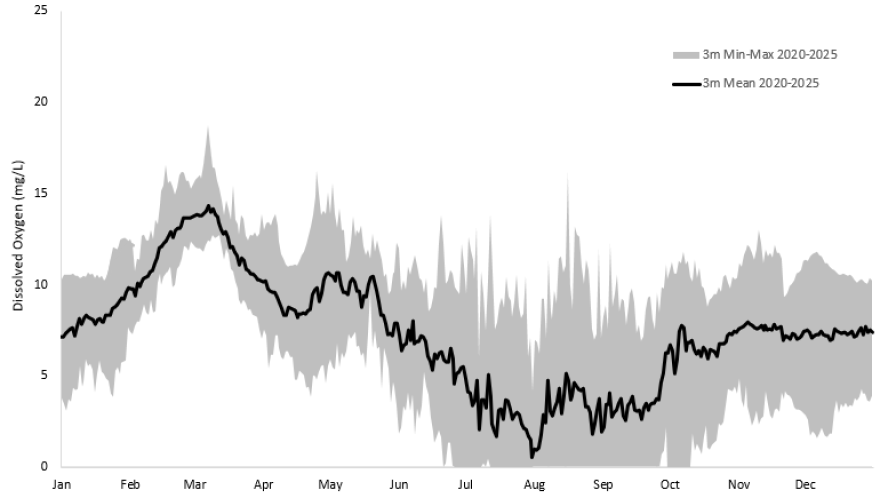
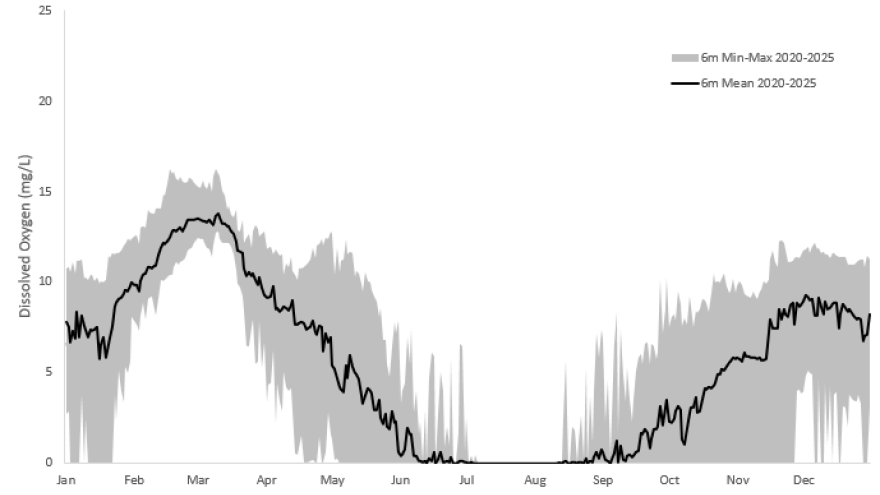
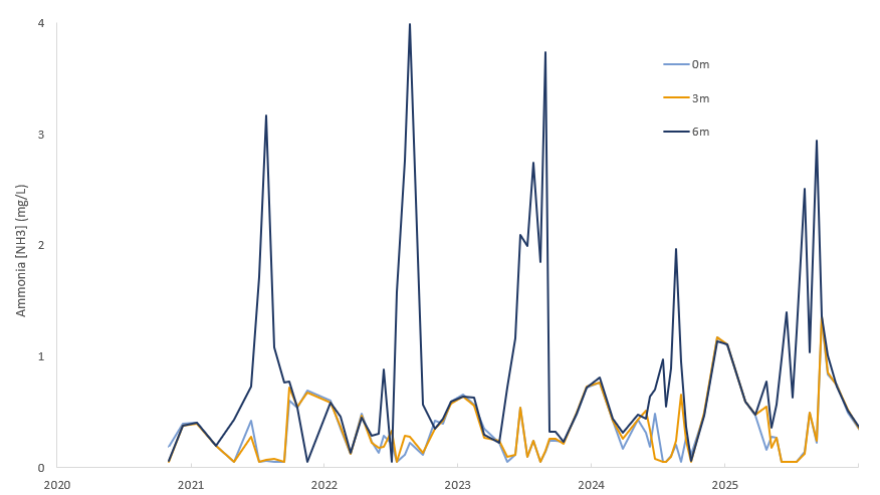
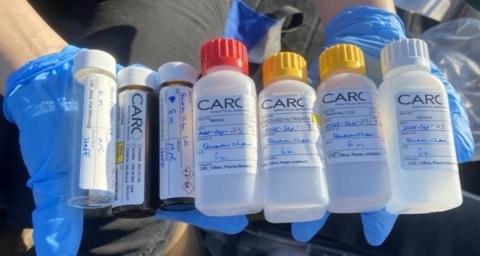
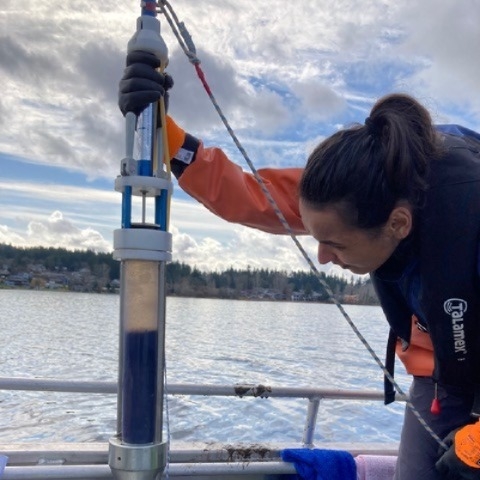
The lake is nutrient-rich which has led to regular cyanobacteria blooms, also known as blue-green algae blooms, in the summer and fall. The cyanobacteria blooms in Quamichan Lake are caused by high levels of nutrients in the lakebed that have accumulated from runoff over the past 150 years of deforestation, agriculture, and urbanization in the watershed.
Monitoring data
Timeline
Next steps
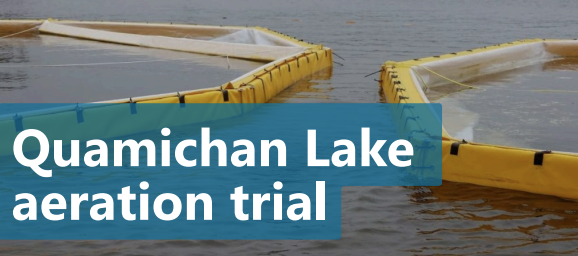
After the aeration trial is completed, the lake enclosure infrastructure will be removed. Staff will analyze the trial results with the consultant to determine effectiveness of the different treatments. Staff will then present the results to provincial regulators, Council, and community to seek direction on developing a lake-wide system if applicable. If the trial results do not show positive results to water quality conditions, other options for lake remediation will be explored.